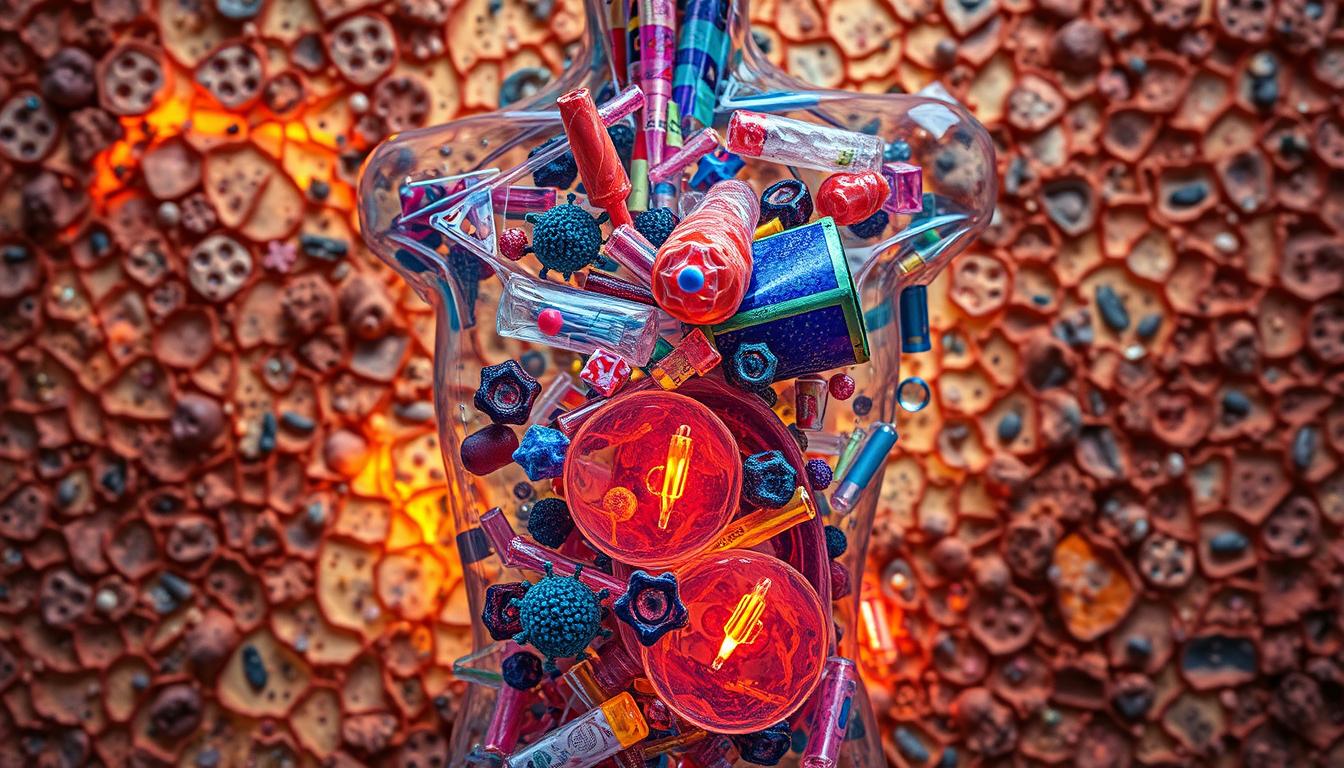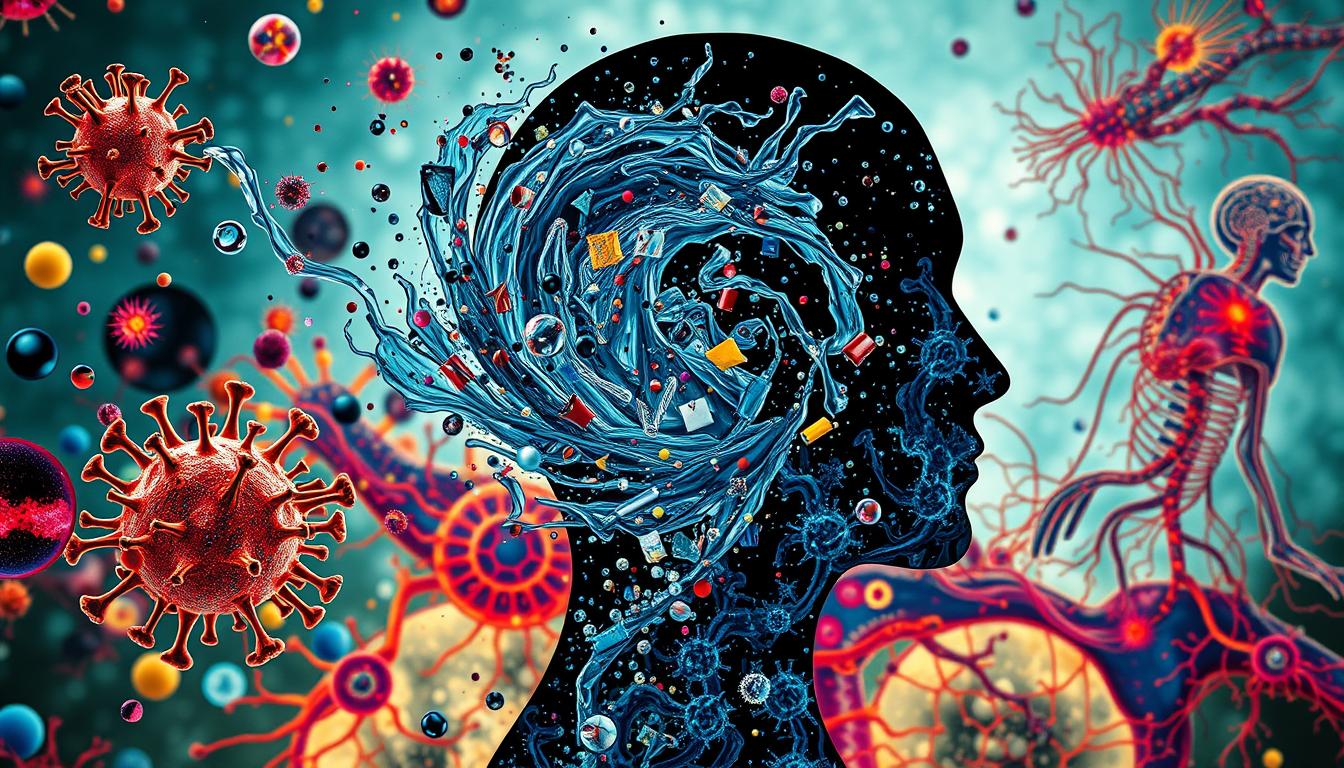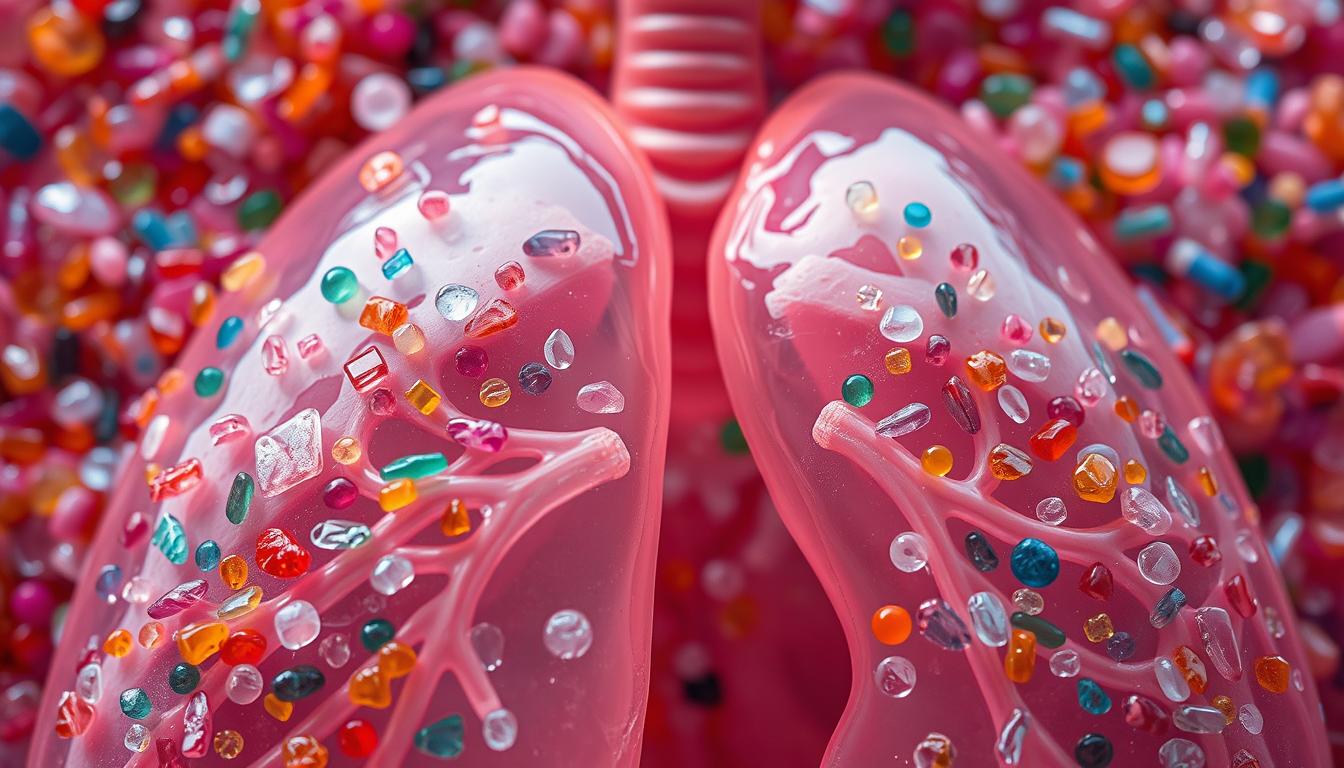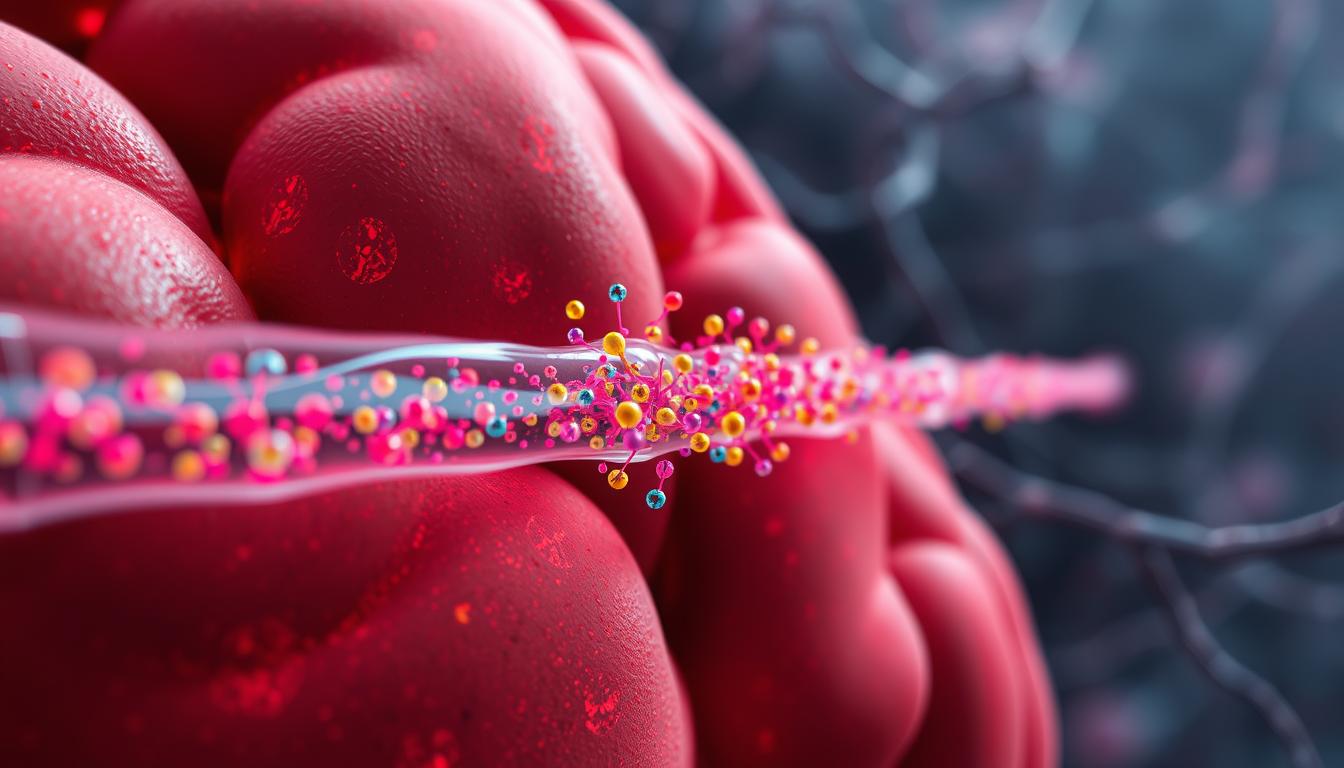
Every day, you might not think about the tiny plastic particles in the air, water, and food. These are called nanoplastics. They can get into your brain and cause serious health problems, like neurodegenerative diseases. It’s important to know how to avoid them.
Knowing where nanoplastics come from is key. They can be in contaminated water and food. Using tools like the Bye Microplastics AI app can help you reduce your exposure1.
Plastic production has skyrocketed, with up to 400 million tons made every year2. In 2018, plastics production hit almost 360 million tonnes3. This shows we need to be more careful and take action to protect ourselves from nanoplastic exposure.
Groundbreaking Discovery: Nanoplastics Crossing Blood-Brain Barrier
The blood-brain barrier is a special wall that keeps the brain safe from the blood. It’s very selective about what can pass through. Research shows that nanoplastics can get past this barrier, entering the brain. This is worrying because nanoplastics can harm the brain and cause neurological problems.
A study found microplastics in human blood for the first time. Eighty percent of people tested had these particles. Another study found that nanoplastics can get into both the brain and the gut, but microplastics can’t. Nanoplastics can also absorb more than microplastics, which is a big concern.
The following table summarizes the findings of a study on nanoplastics in bottled water:
| Type of Plastic | Percentage of Samples |
|---|---|
| PET | 50% |
| Polystyrene | 33% |
| Polyethylene | 25% |
These findings suggest that nanoparticle exposure can have significant neurological effects and contribute to brain toxicity due to the presence of nanomaterials in the brain4.
The Hidden Dangers of Nanoscale Plastic Particles
Nanotechnology has created tiny particles that can harm brain health. These small particles can get into our bodies and cause health problems5. They are everywhere, from oceans to soil, and we can eat, drink, or breathe them in6.
Studies show that these plastics take a long time to break down, sometimes thousands of years6. We all eat and breathe in a lot of microplastics every year5. Because they are so small, they can get deep into our tissues5.
It’s important to know how we get exposed to these plastics. They are in our food, water, and even salt5. They are also in things we drink, like tea and milk, and in foods like fish6. We need to learn more about how they affect our brain penetration and health7.
| Health Impact | Description |
|---|---|
| Chronic Inflammation | Linked to various health conditions |
| Oxidative Stress | Contributes to kidney damage and inflammation |
| Disrupted Gut Microbiota | Linked to digestive issues and inflammatory conditions |
We need to know the risks of nanoscale plastic particles and reduce our exposure7. By understanding how we get exposed, we can protect our brain health.
How Nanoplastics Impact Your Brain Function
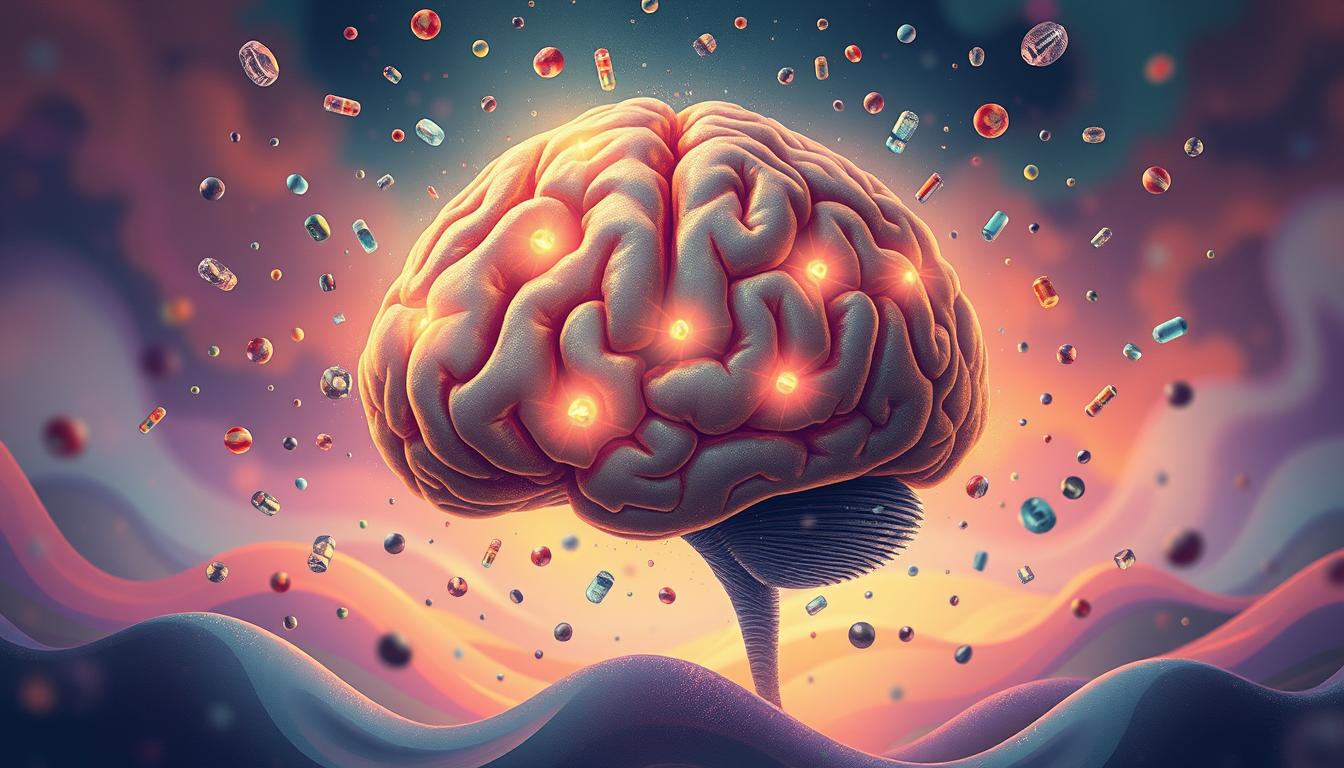
Understanding the effects of nanoplastics on your brain is key. These tiny particles can harm your brain’s function. Studies show they can mess with your memory and focus8. They can also break through the brain’s protective barrier, leading to serious health issues9.
Nanosized plastics can affect your brain in big ways. They can get into your brain in just 2 hours after you eat them8. The way they get in depends on what they’re made of, with some things helping them get through and others stopping them8. This could lead to inflammation, brain disorders, and diseases like Alzheimer’s or Parkinson’s9.
Knowing where you get exposed to nanoplastics is important. Drinking from plastic bottles can expose you to a lot of plastic particles each year9. Tap water is a better choice, with fewer plastic particles, depending on where you live9. To avoid nanoplastics, use less plastic and choose better options.
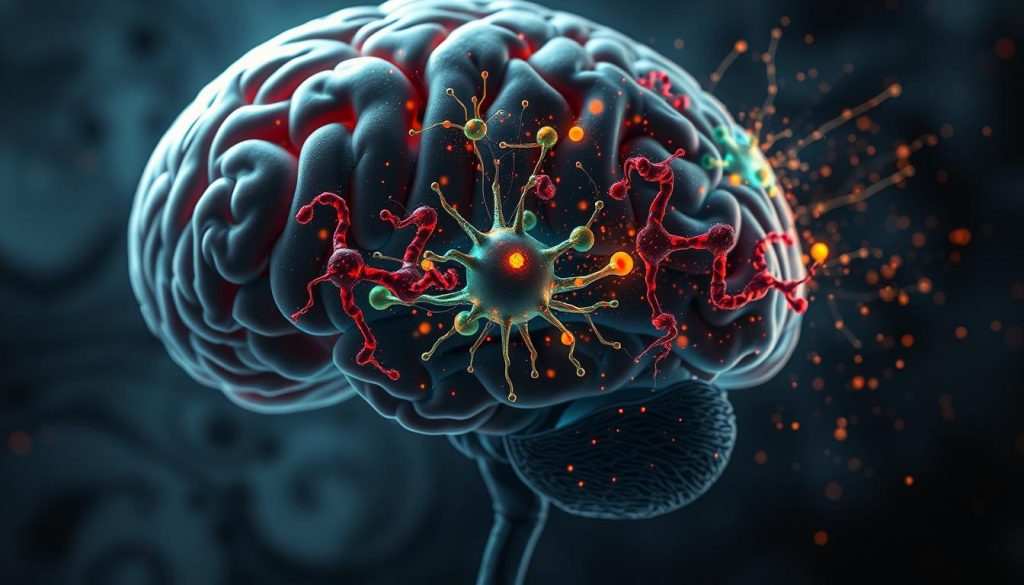
Cognitive Performance Effects
- Impaired memory and attention
- Neurological system disruption
- Potential long-term health implications
Neurological System Disruption
Nanosized plastics can break through the brain’s barrier. This can disrupt your brain’s systems. It may cause inflammation, brain disorders, and diseases9.
Long-term Health Implications
The long-term effects of nanoplastic exposure are being studied. But, research shows they can cause health problems like cancer and brain diseases9. It’s important to reduce your exposure to these plastics to avoid these risks.
| Source | Exposure Route | Health Risks |
|---|---|---|
| Drinking water from plastic bottles | Ingestion | Inflammation, neurological disorders, cancer |
| Ingesting tap water | Ingestion | Reduced risk of plastic particle ingestion |
Sources of Nanoplastic Exposure in Your Daily Life
Nanoplastic exposure is a growing concern. It’s important to know where you get exposed to it every day. You might be surprised to find nanoplastics in food packaging, cosmetics, and clothes10. Also, you can get them in your food and water, with studies showing they’re in many items like honey, beer, and fish11.
Some common sources of nanoplastic exposure include:
- Food and water contamination, with average levels of microplastic pollution in food products including seafood, sugar, honey, and salt11
- Cosmetics and personal care products, which can contain microbeads and other forms of microplastics12
- Clothing and textiles, which can shed microfibers during washing, with a single wash of polyester fleece fabrics shedding an average of 7,360 fibers per square meter per liter12
It’s important to know these sources of nanoplastic exposure. This knowledge helps you make choices to reduce your exposure. By doing so, you can protect your health from the effects of nanoparticle exposure10.

| Product | Microplastic Pollution Level |
|---|---|
| Seafood | 1.48 particles/g11 |
| Sugar | 0.44 particles/g11 |
| Honey | 0.10 particles/g11 |
Protecting Yourself from Nanoplastic Exposure
To cut down on nanoplastic exposure, we need to take several steps. We can use tools like the Bye Microplastics AI app and change our daily habits10. Being careful about the products we buy and their packaging helps a lot. For example, picking items with less packaging and avoiding plastics can lower our exposure to nanomaterials in the brain13.
It’s also key to know where we get exposed to nanoplastics every day. We find them in seafood and table salts, showing they reach us through food10. By being smart about this, we can shield ourselves from nanoplastic exposure and lower the chance of brain barrier disruption14.
- Using environmental awareness tools to identify sources of exposure
- Utilizing digital solutions like the Bye Microplastics AI app for personalized recommendations
- Making lifestyle modifications, such as choosing products with minimal packaging
By doing these things, we can lessen our exposure to nanoplastics and lower the risk of brain barrier disruption13.
The Future of Brain Health in a Plastic-Filled World
The impact of nanoplastics on brain health is becoming more apparent, putting our cognitive well-being at risk15. The alarming rise in plastic in human brains, up 50% from 2016 to 202415, highlights the urgent need for action. Nanoplastics can cross the blood-brain barrier16, threatening our brain functions and health.
Nanoplastics are found in many products, from bottled water to everyday items15. They can also build up in our bodies16. Studies have found microplastics in human brains, including the olfactory bulbs and frontal cortex17. This shows we need strong solutions to tackle this crisis.
To protect our brain health in a world filled with plastic, we must act together15. We need more research, innovation, and awareness. By doing so, we can safeguard our cognitive abilities and keep our brains strong against this threat16.
FAQ
What are the concerns about nanoplastics invading the brain?
How do nanoplastics cross the blood-brain barrier?
What are the sources and pathways of nanoplastic exposure?
How do nanoplastics impact brain function?
How can you protect yourself from nanoplastic exposure?
Source Links
- Rising Concern About the Carcinogenetic Role of Micro-Nanoplastics
- The Impact of Maternal Nanoplastic and Microplastic Particle Exposure on Mammal’s Offspring
- Evidence on Invasion of Blood, Adipose Tissues, Nervous System and Reproductive System of Mice After a Single Oral Exposure: Nanoplastics versus Microplastics
- Tiny shards of plastic are increasingly infiltrating our brains, study says
- Microplastics: A Real Global Threat for Environment and Food Safety: A State of the Art Review
- Impacts of micro and nanoplastics on human health – Bulletin of the National Research Centre
- Microplastics: A Hidden Danger in Our Lives and Bodies — Nutrunity UK ⎪Naturopathic Nutrition Clinic ⎪London
- Micro- and Nanoplastics Breach the Blood–Brain Barrier (BBB): Biomolecular Corona’s Role Revealed
- Tiny plastic particles also find their way into the brain | MedUni Vienna
- Nanoplastics and Human Health: Hazard Identification and Biointerface
- Impact of Microplastics and Nanoplastics on Human Health
- Frontiers | Toxicological impact of microplastics and nanoplastics on humans: understanding the mechanistic aspect of the interaction
- Crossing the Line: Microplastics Breach the Blood-Brain Barrier
- The plastic brain: neurotoxicity of micro- and nanoplastics – Particle and Fibre Toxicology
- Human brains contain surprising levels of plastic, study says | CNN
- Micro- and Nanoplastics Breach the Blood–Brain Barrier (BBB): Biomolecular Corona’s Role Revealed
- There are plastics lodged in the human brain. How do they get there, and what are they doing? – Sapien Labs | Shaping the Future of Mind Health